Effective Methods for Extending the Shelf Life of Fresh Produce
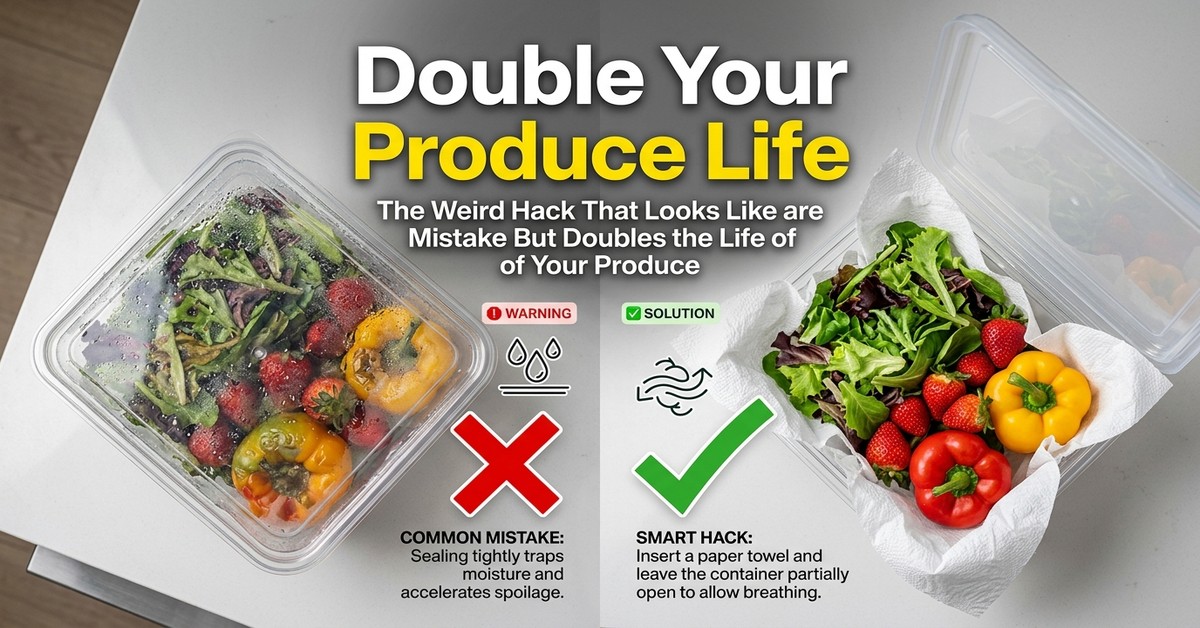
The frustration is universal: you buy fresh, vibrant produce with the best intentions, only to find it wilting, browning, or molding just a few days later. Food waste is a significant problem, both for the environment and for your wallet. Many of us instinctively store our fruits and vegetables in ways we've always done, or as we see others do, without realizing that some common habits can actually shorten their lifespan.
The frustration is universal: you buy fresh, vibrant produce with the best intentions, only to find it wilting, browning, or molding just a few days later.
Rethinking Produce Preservation: Beyond the Crisper Drawer
Often, what seems like the most straightforward storage method isn't always the most effective. Consider the subtle visual cues that lead us to store things a certain way. For example, the pristine appearance of produce in supermarket bins might suggest a specific home storage, but often, that produce is designed for quick sale, not extended home life.
The key to maximizing freshness often lies in understanding the specific needs of each fruit and vegetable. This sometimes means adopting methods that might initially look a little unconventional, or even like a "mistake" to the untrained eye, but are backed by solid principles of food science.
Take fresh herbs, for instance. Many people simply toss them into the fridge in their original packaging, only to find them limp and discolored within days. A highly effective, yet visually distinct, method involves treating them much like a bouquet of flowers. For hardy herbs like parsley and cilantro, trim the bottom of the stems, place them in a small glass of water, and then cover the leaves loosely with a plastic bag before refrigerating. For delicate basil, which dislikes cold, use the same water-in-jar method but keep it on the counter.
Leafy greens like spinach, lettuce, and kale also benefit from a counter-intuitive approach. Instead of simply putting them in the crisper, wash them thoroughly (if not pre-washed), dry them meticulously with a salad spinner or paper towels, and then wrap them in fresh, dry paper towels before storing them in an airtight container or bag in the refrigerator. This method helps absorb excess moisture, which is the primary enemy of crisp greens, making them last significantly longer than just leaving them in their original clam-shell containers.
Why These Methods Work: The Science of Shelf Life
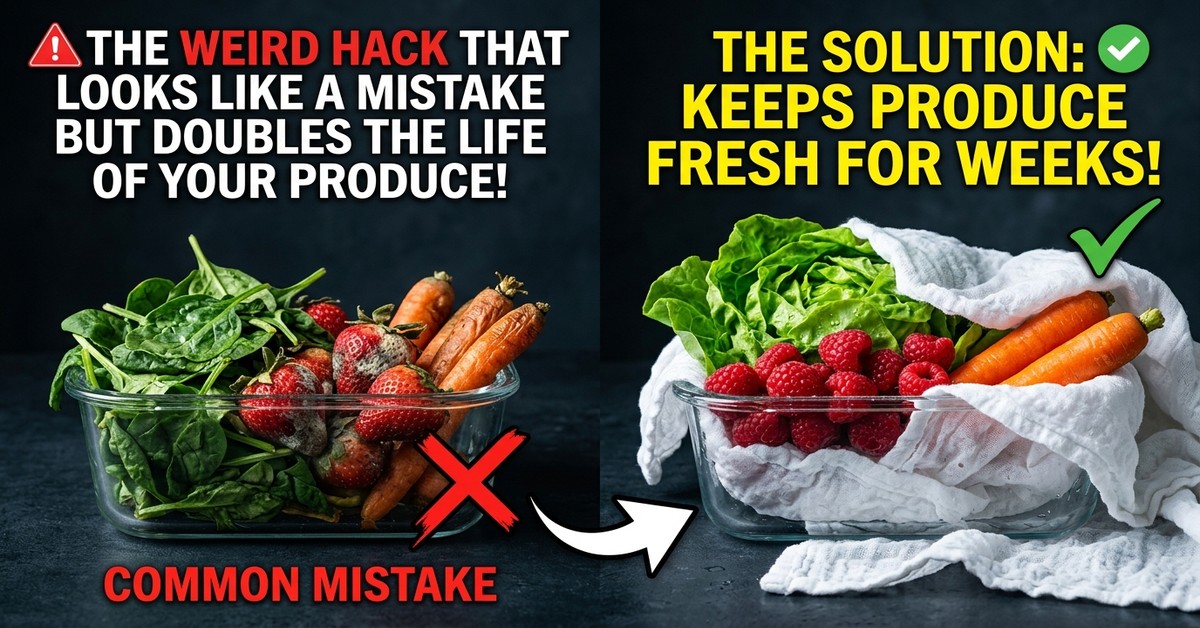
These seemingly "odd" techniques are effective because they address critical factors in produce spoilage: moisture, temperature, and ethylene gas. Excess moisture promotes bacterial growth and mold, while too little moisture causes wilting. Ideal temperatures vary greatly; some items, like tomatoes and potatoes, degrade rapidly in the cold of a refrigerator, losing flavor and texture. Ethylene gas, emitted by some fruits and vegetables (like apples and bananas), can accelerate ripening and spoilage in sensitive produce stored nearby.
By controlling these elements, even simple adjustments can make a profound difference. As sources like Good Housekeeping and WikiHow often advise, understanding these basics can transform your kitchen and drastically cut down on wasted food. For example, keeping ethylene-producing fruits separate from sensitive vegetables is a simple, yet powerful, strategy to prevent premature spoilage.
Adopting these practices might require a slight shift in your routine and how you visually perceive "proper" storage. But the reward is clear: fresher ingredients, extended shelf life, and a noticeable reduction in your grocery bill. Experiment with these methods and observe the difference firsthand.