
A Counterintuitive Method to Double Produce Lifespan.
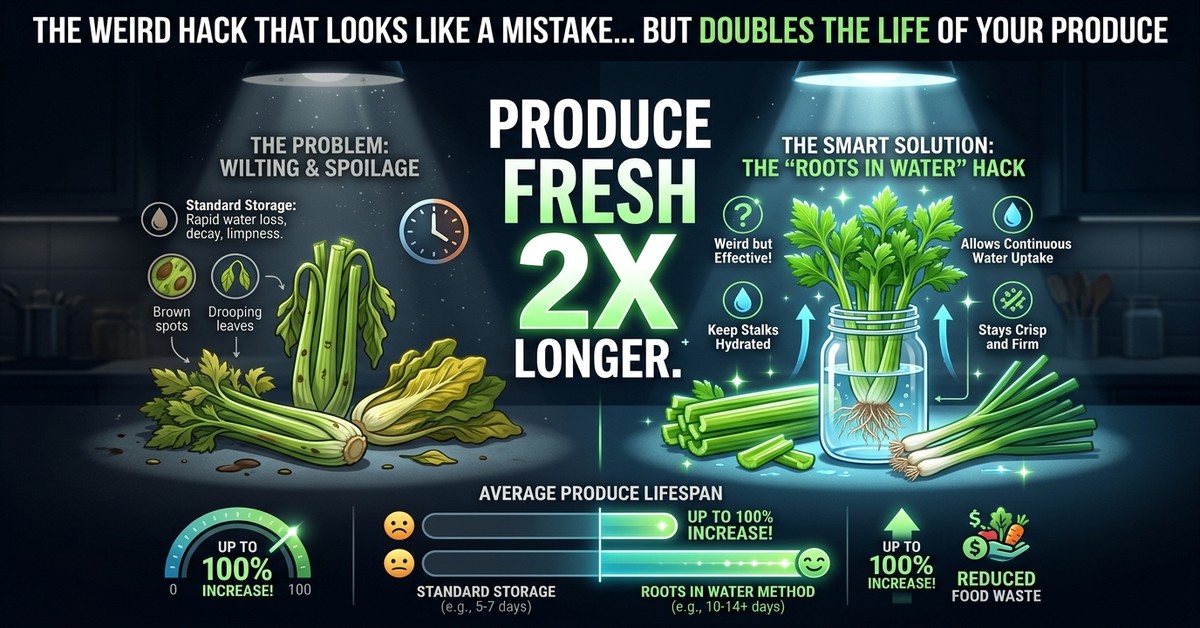
Are you tired of tossing out wilted greens, rubbery carrots, or moldy berries just days after buying them? The struggle to keep produce fresh is real, leading to food waste and wasted money. Many conventional storage methods, while common, might actually be contributing to quicker spoilage. But what if a seemingly unconventional approach could dramatically extend the life of your fruits and vegetables?
There’s a powerful, yet often overlooked, strategy that can double the freshness of many common produce items. It’s not a magic trick, but a practical method rooted in understanding how different foods respire and lose moisture. This method might look a little different from how you currently store things, perhaps even making you pause and think, "Is this right?" Rest assured, the visual evidence of longer-lasting, crisp produce speaks for itself.
Are you tired of tossing out wilted greens, rubbery carrots, or moldy berries just days after buying them?
The Science of Extended Freshness
At its core, produce spoilage is often about moisture loss, ethylene gas exposure, and microbial growth. Our goal is to mitigate these factors. The 'hack' involves creating an optimal microclimate for specific vegetables that prevents dehydration while allowing them to breathe appropriately. It’s about more than just refrigeration; it’s about *how* you store them within that environment.
The Aluminum Foil Advantage for Celery and Broccoli
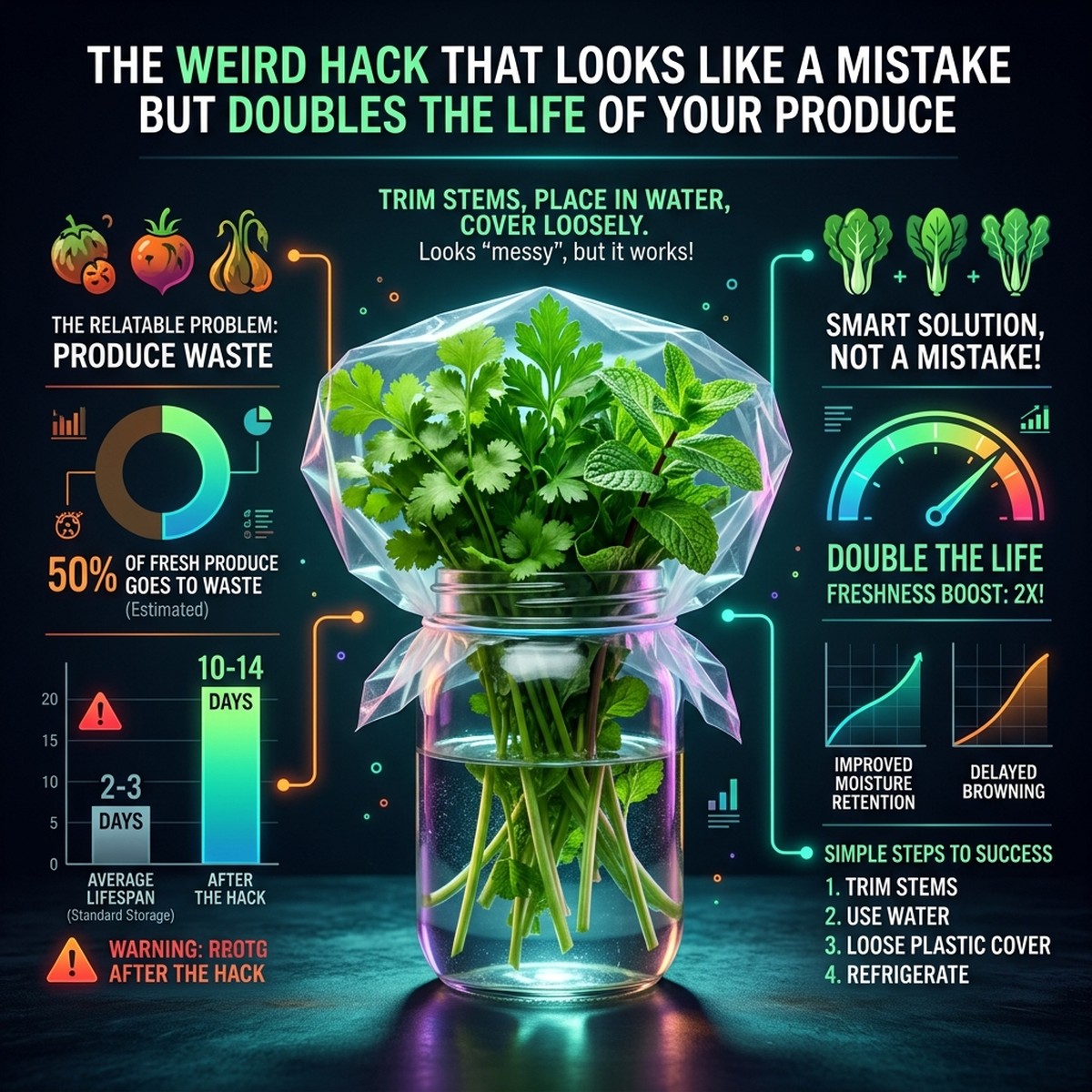
Take celery, for instance. Many store it in a plastic bag, thinking it keeps moisture in. However, plastic traps ethylene gas which celery is sensitive to, and also prevents the celery from breathing, leading to a soft, limp texture. The counterintuitive approach? Wrap your celery tightly in aluminum foil before placing it in the refrigerator. This allows ethylene gas to escape while retaining essential moisture. You'll visually notice the difference: celery that stays crisp for two weeks or even longer, instead of wilting in five to seven days.
The same principle applies to broccoli. Instead of a plastic bag, a loose foil wrap or even simply storing it upright in a glass of water (changing the water daily) in the fridge can extend its life significantly. The visual challenge here is to trust a method that might look less 'tidy' than a sealed plastic bag, but yields far better results.
Other Produce, Other Methods
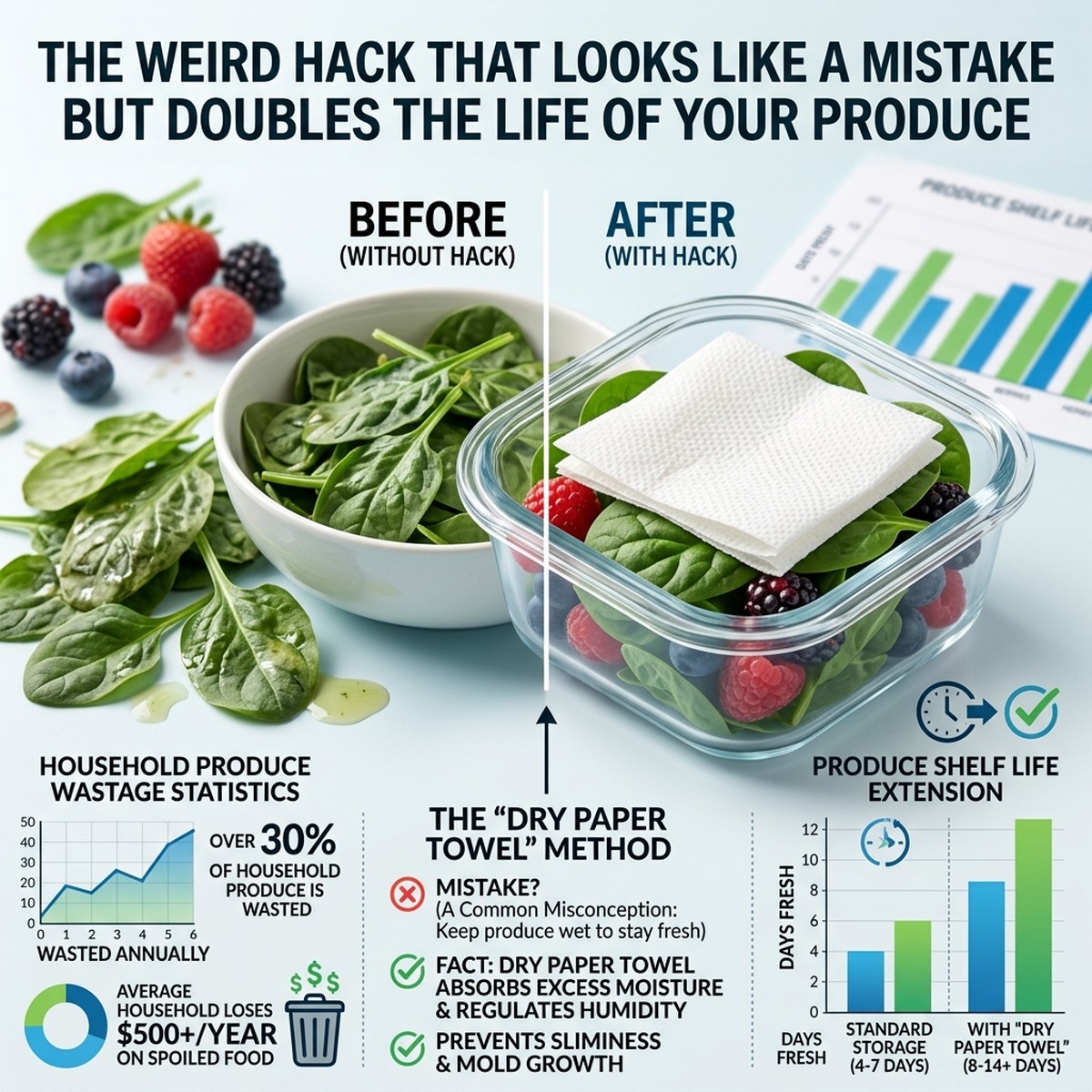
- Herbs: Treat them like a bouquet! Trim the ends, place them in a glass with an inch of water, cover loosely with a plastic bag, and refrigerate.
- Lettuce & Leafy Greens: Wash, dry thoroughly, and store in an airtight container lined with paper towels. The paper towels absorb excess moisture, preventing sliminess.
- Avocados: To slow ripening, store them in the fridge. If you've cut one, sprinkle lemon juice on the exposed flesh and wrap it tightly in plastic wrap before refrigerating.
According to experts at Good Housekeeping, these simple shifts in storage can drastically impact how long your groceries last. WikiHow also outlines similar techniques, emphasizing the importance of proper preparation and specific storage conditions over general refrigeration practices.
By adopting these methods, which may initially seem a bit unusual or like a departure from your typical routine, you'll embark on a visual challenge. You'll see, firsthand, your produce staying vibrant, crisp, and delicious for much longer. Not only will you enjoy fresher ingredients, but you'll also significantly reduce your grocery bill and contribute to less food waste.