A Simple Visual Strategy to Double the Life of Your Fresh Produce
There's a universal frustration shared by nearly everyone who buys fresh produce: the seemingly inevitable race against the clock before your vibrant greens wilt, your crisp carrots soften, or your berries develop an unwelcome fuzz. We invest in healthy eating, only to watch our good intentions—and our groceries—deteriorate far too quickly. What if a seemingly counter-intuitive approach could dramatically extend the life of your fresh fruits and vegetables?
There's a universal frustration shared by nearly everyone who buys fresh produce: the seemingly inevitable race against the clock before your vibrant greens wilt, your crisp carrots soften, or your berries develop an unwelcome fuzz.
The "Looks Like a Mistake" Moisture Method
Prepare to challenge your visual perception of proper food storage. We’re talking about a simple hack that, at first glance, might appear to be an oversight or an odd way to put away your groceries. But this method is precisely designed to manage the two biggest enemies of produce freshness: improper moisture levels and exposure to ethylene gas. The visual "trick" often involves a slight adjustment to how you wrap, contain, or even position your produce, turning a quick glance into a moment of curiosity.
Many common storage habits contribute to premature spoilage. Think about putting slightly damp greens straight into a plastic bag, or simply tossing herbs back into their original packaging. The "weird hack" shifts this visual. Instead, it advocates for a specific pre-storage preparation that ensures optimal conditions. It’s a subtle visual cue that implies a deeper understanding of produce physiology—something that looks different from the usual "toss it in the fridge" method.
This strategy isn't about complex gadgets; it's about smart, visually distinct handling. According to insights often shared by food science experts and echoed by resources like Good Housekeeping, controlling the micro-environment around your produce is key. Whether it’s absorbing excess moisture or creating a breathable barrier, these methods prevent rapid decay by slowing down respiration and protecting delicate cellular structures.
Practical Visual Hacks to Try
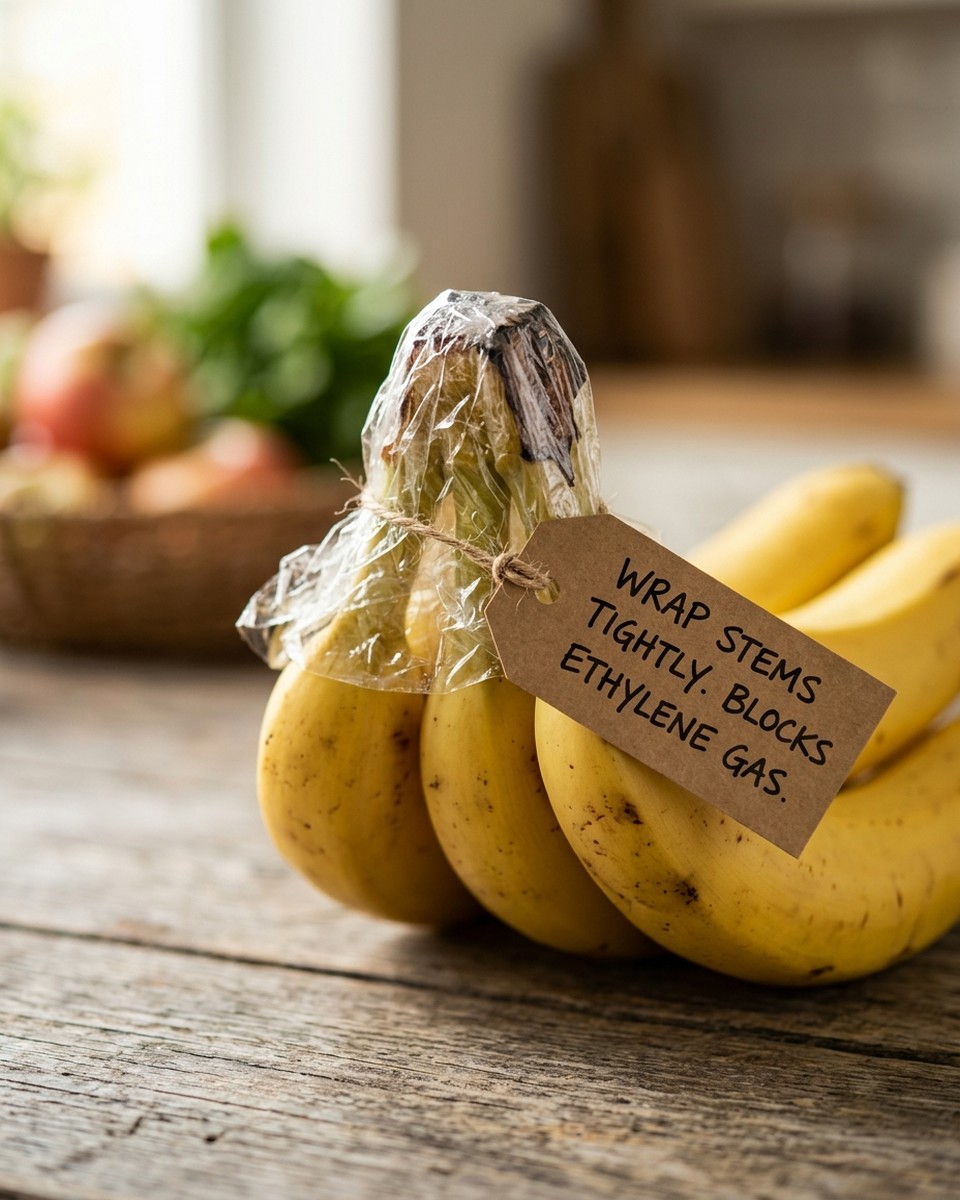
- Leafy Greens (Lettuce, Spinach, Kale): Forget storing them damp. Wash and dry thoroughly using a salad spinner or paper towels until visibly dry. Then, wrap the dry greens in a fresh, dry paper towel and place them in an airtight container or a sealed bag. The paper towel absorbs residual moisture, preventing sliminess.
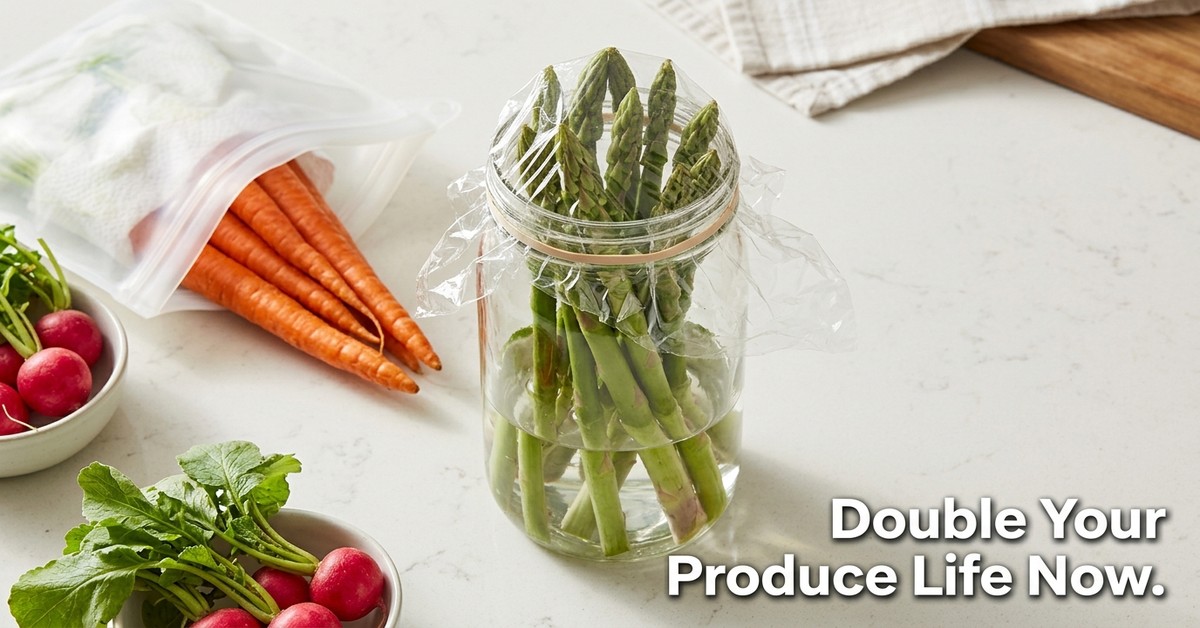
- Fresh Herbs (Cilantro, Parsley, Basil): Visually, this looks like a bouquet! Snip the bottoms of the stems, place them in a glass with about an inch of water, much like a flower arrangement. Cover the leaves loosely with a plastic bag and refrigerate (basil prefers room temperature).
- Carrots & Celery: Instead of a plastic bag, wrap these crisp vegetables tightly in aluminum foil before refrigerating. As WikiHow often explains for various food storage tips, the foil allows them to breathe while retaining just enough moisture to keep them firm and prevent dehydration for weeks longer.
- Tomatoes: Keep them at room temperature, stem-side down, away from direct sunlight. Refrigeration dulls their flavor and texture. Storing them stem-side down prevents air from entering and moisture from escaping through the delicate stem scar.
Implementing these visually distinct storage techniques might seem like an extra step, or even a departure from what you've always done. Yet, by understanding and applying these simple, effective changes to how your produce looks in storage, you can significantly reduce food waste, save money on groceries, and always have fresh, vibrant ingredients on hand. Give these hacks a try and watch your produce stay fresh for dramatically longer!