
Optimizing Produce Storage: Simple Changes for Extended Freshness
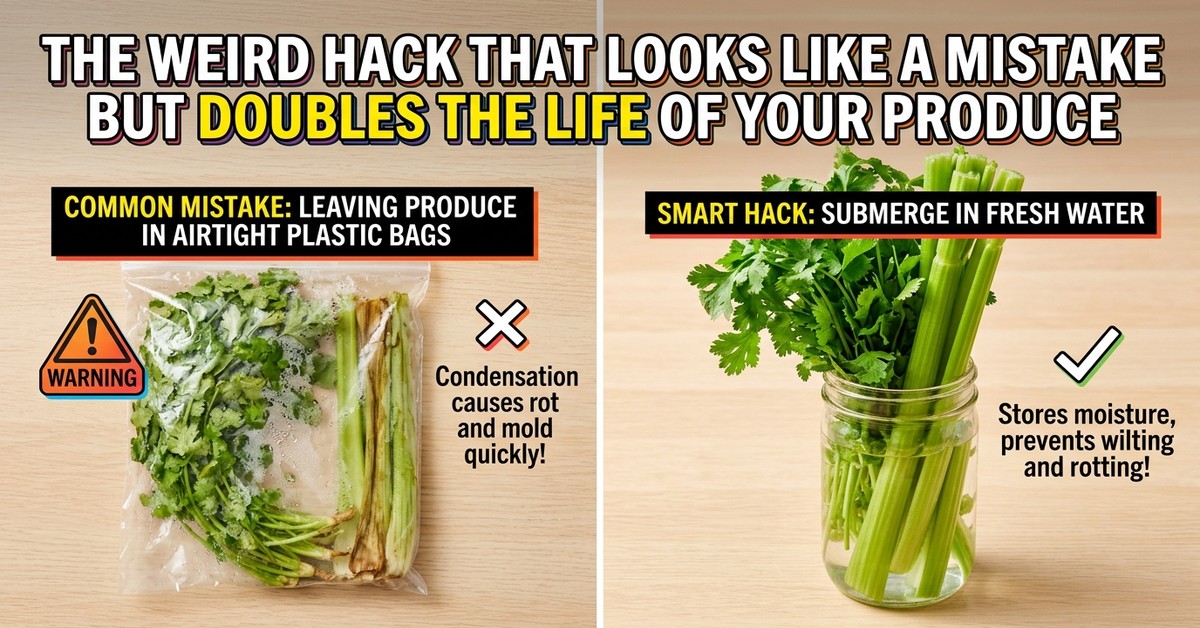
There's nothing quite as frustrating as reaching for fresh produce, only to find it wilted, bruised, or moldy long before its time. We’ve all been there, tossing out perfectly good food because our storage methods didn’t quite hit the mark. The average household wastes a significant amount of food annually, and improper storage is a major contributor.
Often, the way we've been taught to store fruits and vegetables, or simply what "feels" right, is actually shortening their lifespan. It can be a visual challenge to reconsider what proper storage looks like, especially when the most effective methods sometimes appear a little... unconventional. This isn't about complex setups; it's about understanding the subtle needs of each item.
There's nothing quite as frustrating as reaching for fresh produce, only to find it wilted, bruised, or moldy long before its time.
The Common Mistake: One-Size-Fits-All Storage
Many of us fall into the trap of a "one-size-fits-all" approach, particularly with the refrigerator. While refrigeration is crucial for many items, it's not a universal solution. For instance, storing tomatoes in the fridge can make them mealy and diminish their flavor. Potatoes and onions also suffer in cold, damp environments, often sprouting or spoiling faster when refrigerated.
The "Weird Hack" That Looks Like a Mistake (But Works!)
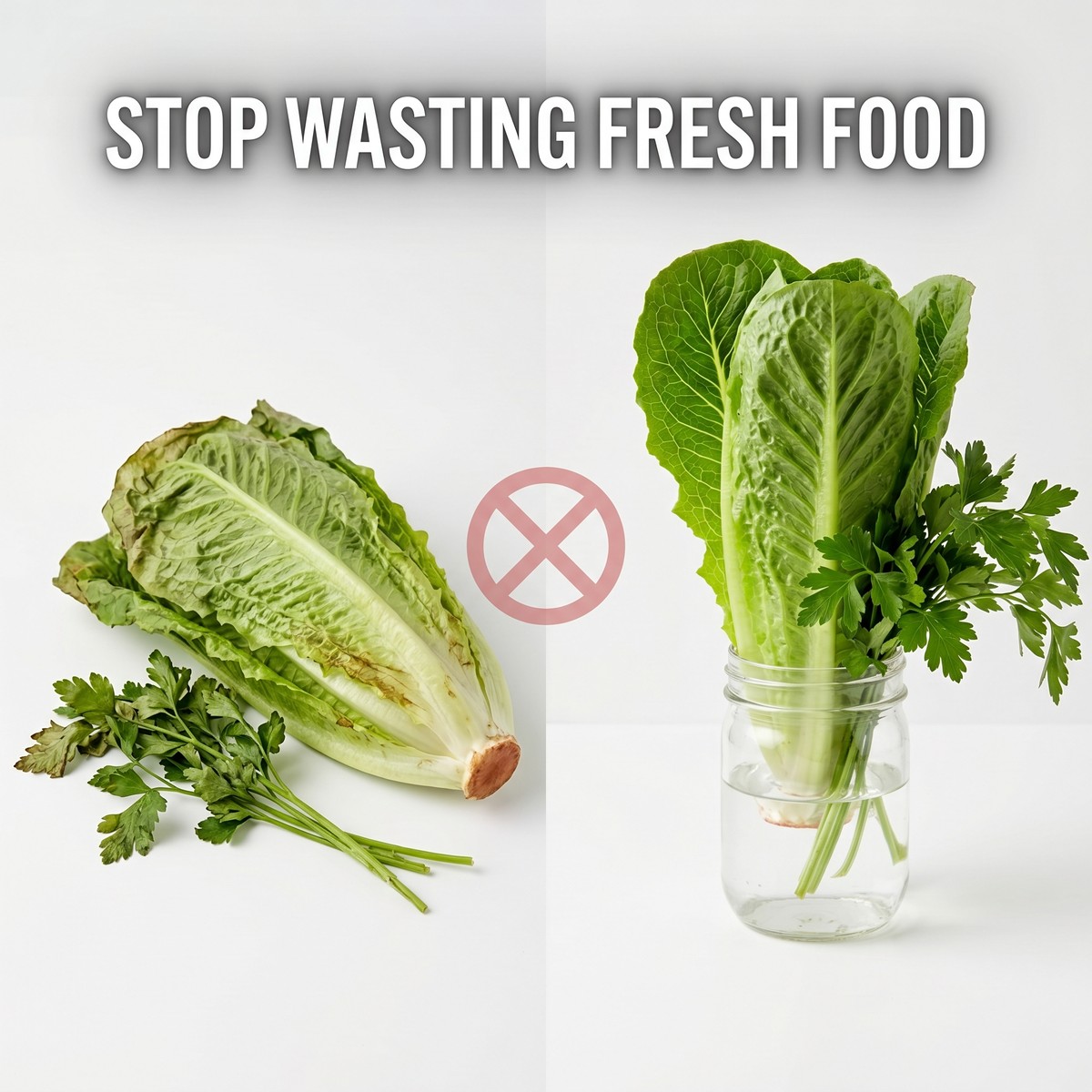
So, what’s the counter-intuitive approach? It’s often about managing moisture, airflow, and ethylene gas, sometimes in ways that might initially look like a "mistake." Here are a few examples of "weird hacks" that double the life of your produce:
- Herbs as a Bouquet: Instead of stuffing fresh herbs like parsley, cilantro, or basil into a plastic bag, trim their stems and place them upright in a glass of water, much like a bouquet of flowers. Cover loosely with a plastic bag and place in the fridge (basil prefers room temperature). This simple visual change keeps them vibrant for weeks, as recommended by culinary experts.
- Celery and Aluminum Foil: While plastic wrap is common, wrapping celery tightly in aluminum foil before refrigerating can keep it crisp for up to a month. It allows the ethylene gas to escape, preventing wilting without drying it out. This method might look odd compared to clear plastic, but it's remarkably effective.
- Paper Towels for Leafy Greens: Washing leafy greens like lettuce or spinach and then wrapping them in a dry paper towel before sealing them in an airtight container (or bag) in the fridge absorbs excess moisture, which is the enemy of freshness. Change the paper towel every few days for best results. This prevents premature wilting and mold.
Why These Methods Work Wonders
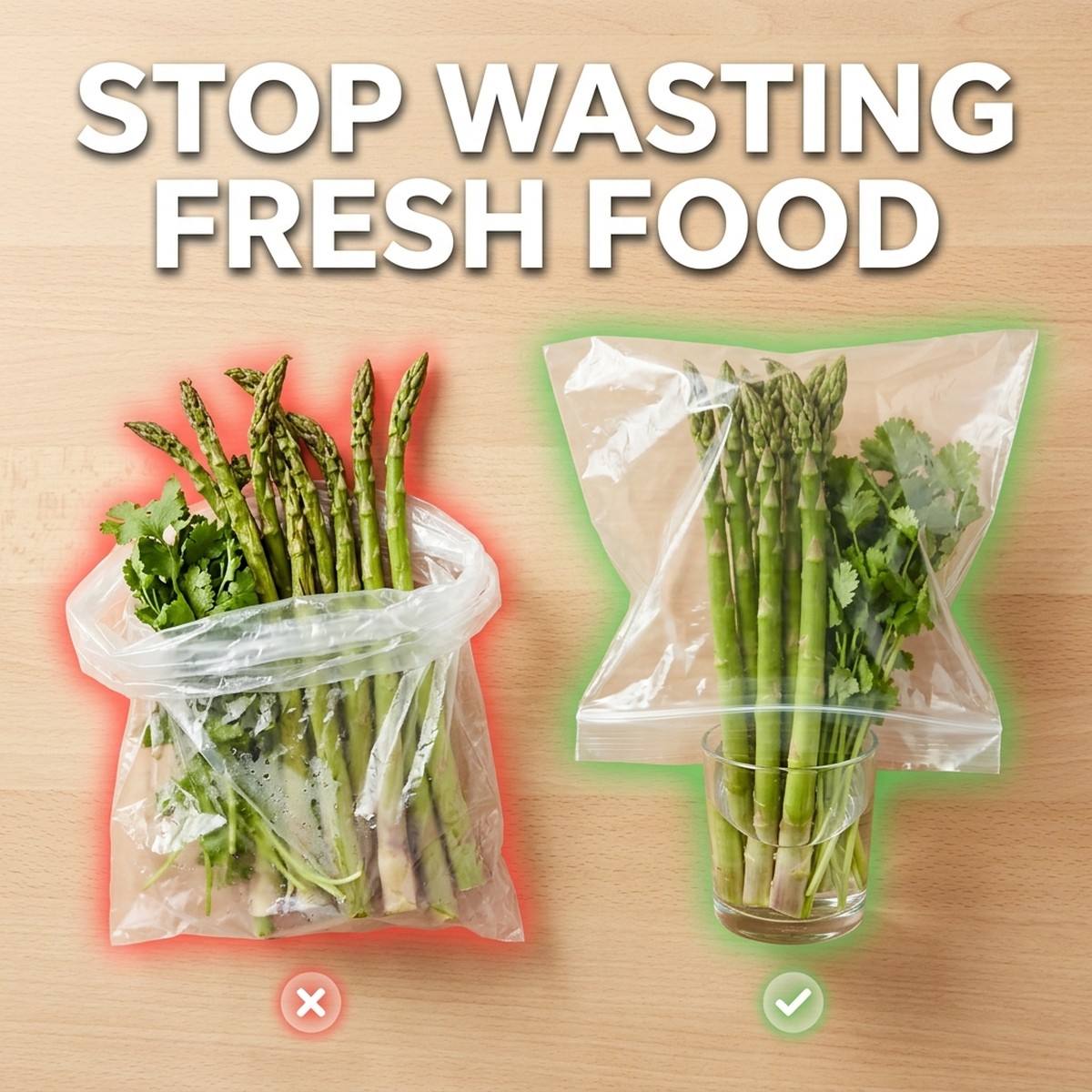
These methods target the primary culprits of spoilage: moisture, temperature, and ethylene gas. Excessive moisture promotes mold and rot, while too little causes wilting. Incorrect temperatures can alter texture and flavor. Ethylene-producing fruits (like apples, bananas, and avocados) can prematurely ripen and spoil sensitive produce stored nearby, as explained by sources like the USDA.
By implementing these specific, often counter-intuitive, storage solutions, you’re not just making your produce last longer; you're significantly reducing food waste and ultimately saving money on your grocery bill. It might look a little different from what you're used to, but the results speak for themselves.